Choosing the right size dog bed can be trickier than it sounds. Too small and your dog may struggle to stretch out comfortably, while a bed that’s too large may not provide the cosy, secure feeling that some dogs prefer. So, what size dog bed does your dog actually need? The answer depends on more than just their breed. Their weight, body length, sleeping position and personal preferences can all make a difference. In this guide, we’ll explain how to measure your dog, how to choose the right size bed and what to consider when finding a comfortable place for them to rest.
The best way to choose the right dog bed size is to measure your dog rather than relying solely on breed recommendations. Start by measuring your dog from the tip of their nose to the base of their tail while they’re standing naturally. Then measure across their body at its widest point. For the length, add some extra room to allow your dog to stretch out, turn around and change sleeping positions comfortably. As a general guide, adding around 15–30cm to their body length can provide useful extra space, although dogs have different preferences. If your dog likes to curl up tightly when sleeping, they may prefer a bed that feels more enclosed. If they regularly sleep stretched out on their side, they’ll need a larger sleeping surface.
Yes, your dog should have enough space to lie down comfortably without hanging off the edges. A dog bed that’s too small can restrict movement and make it difficult for your dog to find a comfortable sleeping position. You may even notice them choosing the floor, sofa or another surface instead of their bed. However, bigger isn’t always better. Some dogs feel more secure in a bed that surrounds them, particularly dogs that enjoy curling up when they sleep. The ideal size is one that gives your dog enough room to stretch and reposition themselves while still feeling comfortable and secure.
Dog bed sizes can vary between manufacturers, so it’s always worth checking the individual product’s measurements before buying. However, dog beds are generally grouped into small, medium, large and extra-large sizes.
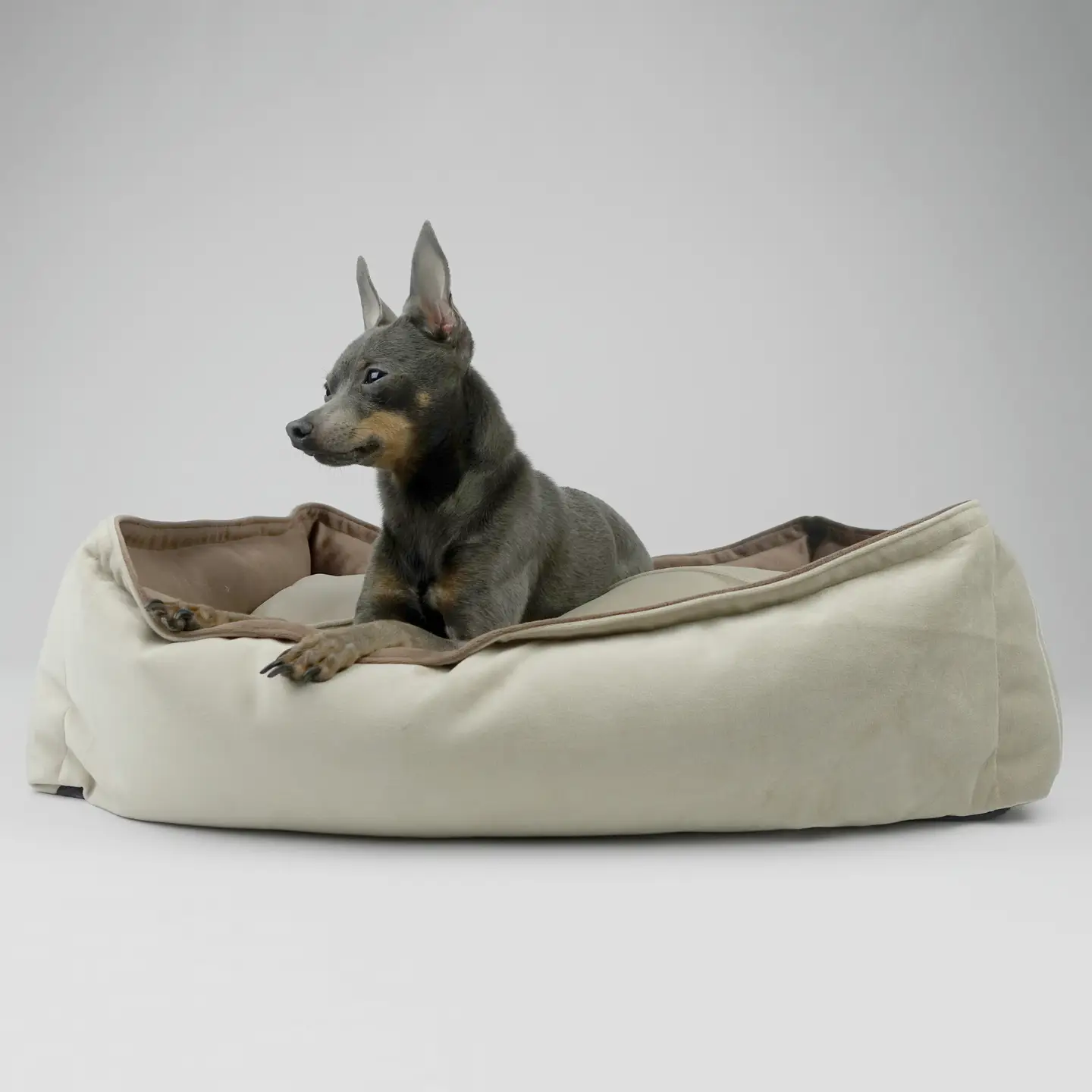
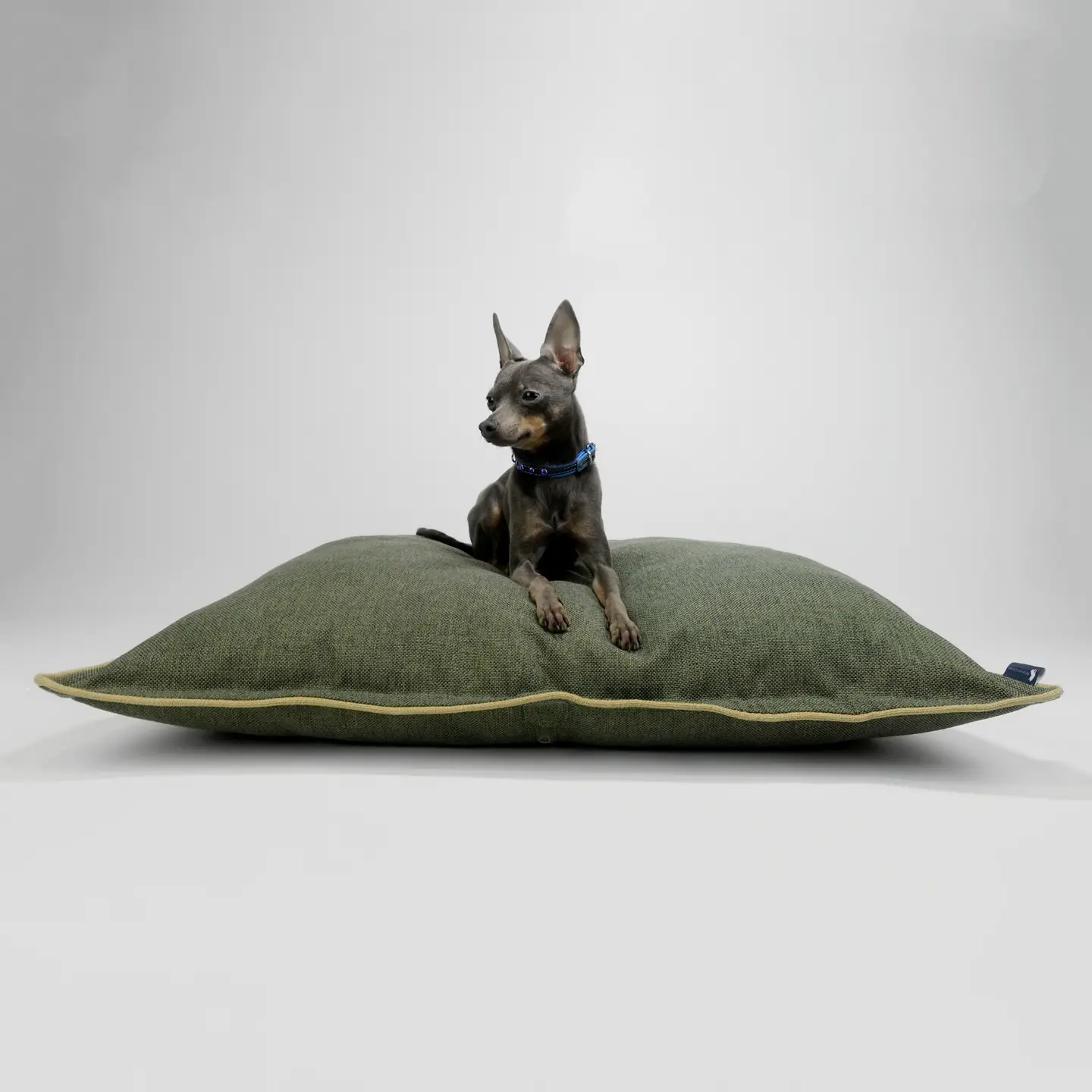
Small dog beds are typically suitable for smaller breeds and dogs that prefer to curl up. Breeds such as Dachshunds, Chihuahuas, Yorkshire Terriers and small Terriers may suit a smaller bed, depending on their individual size and sleeping style.
Medium dog beds can be suitable for breeds such as Cocker Spaniels, Beagles and smaller Border Collies, although individual dogs can vary considerably.
Large dog beds are designed for bigger dogs that need more room to stretch out. Breeds such as Labradors, Golden Retrievers and larger Border Collies may require a larger sleeping surface.
Extra-large dog beds are ideal for particularly large breeds or dogs that love to stretch out. Great Danes, Mastiffs, Newfoundlands and other giant breeds may need significantly more space than a standard large dog bed provides.
Remember, breed is only a starting point. Two dogs of the same breed can be very different sizes, so measuring your individual dog is always the better approach.
One of the biggest mistakes people make when choosing a dog bed is only considering their dog’s size. Pay attention to how your dog actually sleeps. Does your dog curl up into a little ball? They may prefer a smaller, snugger bed with raised sides. Does your dog stretch out on their side? They’ll probably need a longer, more spacious bed. Does your dog regularly change position throughout the night? A larger bed can give them the freedom to move around without falling off the edge. Watching your dog’s sleeping habits for a few days can tell you a lot about the type and size of bed they’ll find most comfortable.
Puppies can make choosing a dog bed slightly more complicated because they’re still growing. It can be tempting to buy a very large bed that they can “grow into”, but a bed that’s excessively large may not feel particularly cosy to a young puppy. Instead, consider your puppy’s current size and expected growth. If you’re buying a bed for a growing breed, choosing a size that gives them some room to grow can be sensible, but make sure they can still settle comfortably in it now. Puppies can also be prone to accidents and chewing, so a durable, easy-to-clean bed can be particularly useful during those early months.
Older dogs may have different comfort requirements from younger dogs. While size is still important, support can become just as significant. A senior dog may appreciate a larger bed that allows them to change position easily, particularly if they are less mobile than they once were. Supportive or orthopaedic-style dog beds can also be worth considering for older dogs.
If your dog is finding it difficult to get comfortable, frequently changes position or has suddenly stopped using their usual bed, consider whether their current bed still meets their needs.
If you have concerns about changes in your dog’s mobility, comfort or behaviour, speak to your vet for professional advice.
A bed that’s too small may be uncomfortable and restrictive. Your dog might struggle to stretch out fully, have difficulty changing position or regularly sleep with part of their body hanging over the edge. You may also notice that they simply stop using the bed altogether.
If your dog consistently chooses the floor, sofa or another sleeping spot over their bed, check whether the bed is large enough for their preferred sleeping position.
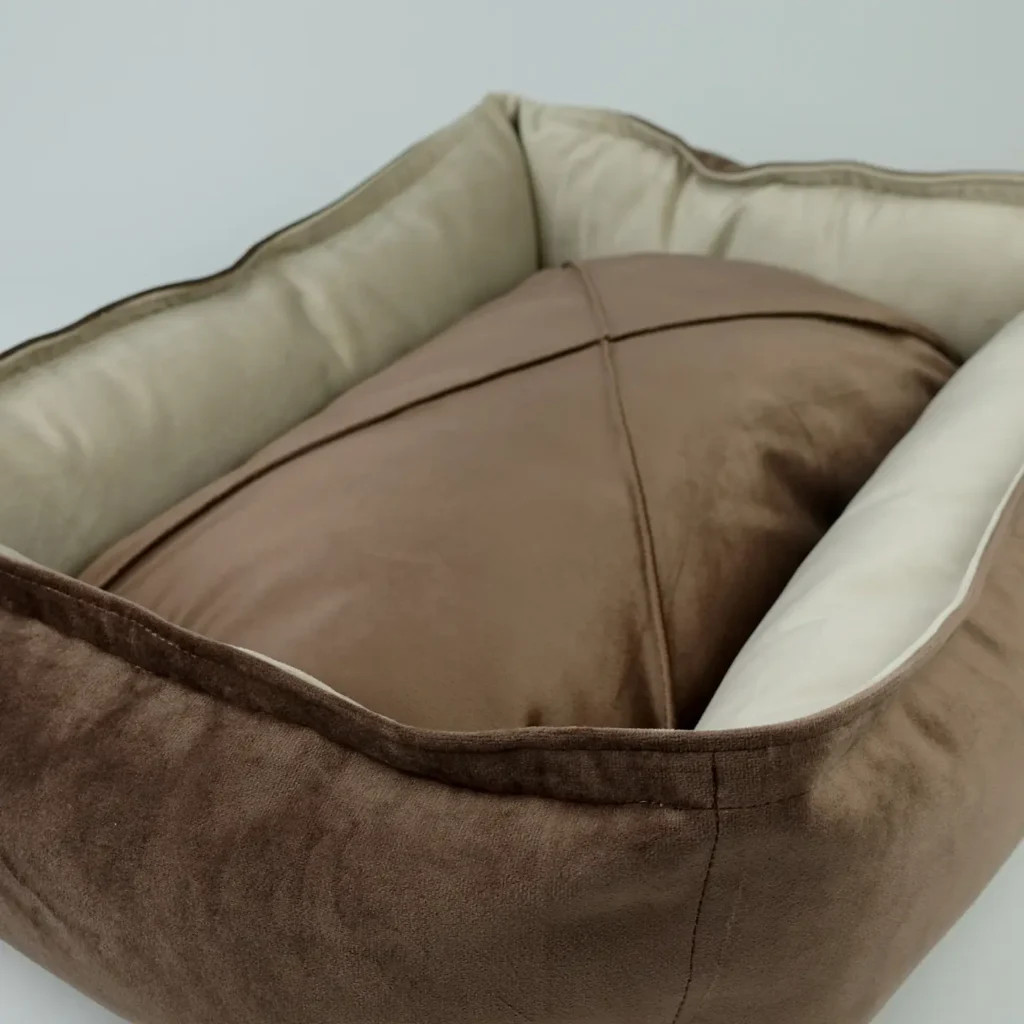
A bed that’s too large isn’t necessarily a problem, particularly for bigger dogs who enjoy plenty of space. However, some dogs prefer a bed that feels snug and secure. A very large, open bed may not provide the cosy feeling they’re looking for. If your dog likes to curl up, consider a bed with raised or cushioned sides that can provide a greater sense of security while still giving them enough room to move comfortably.
Finding the right dog bed isn’t simply about picking small, medium or large. Consider your dog’s measurements, sleeping position, age, breed and personal preferences.
Measure your dog before buying, check the manufacturer’s individual size guide and look at the bed’s actual dimensions rather than relying on the label alone.
The right dog bed should give your dog enough space to sleep comfortably while providing the support and security they need.
At ScotDog, we know that every dog is different. That’s why choosing a dog bed based on your individual dog’s needs is more important than simply choosing one because it’s labelled for their breed or weight.
Looking for a new bed for your dog? Explore ScotDog’s range of dog beds and find the right size and style for your four-legged friend.